
A repair kit can be a practical and cost-effective way to restore a hydraulic pump, motor, control valve, cylinder, or other machine component. However, choosing the wrong kit can lead to installation problems, repeated leakage, poor performance, additional freight costs, and unnecessary downtime.
The machine model is a useful starting point, but it is not always enough to identify the correct repair kit. The same excavator, loader, bulldozer, or industrial machine may use different hydraulic components depending on its production year, serial-number range, market, or original component manufacturer.
To find the right repair kit the first time, you should identify the component itself—not only the machine on which it is installed.
This guide explains what information to collect, where to find it, and how to avoid common ordering mistakes.
What type of repair kit do you need?
Before searching for a part number, identify the component that requires repair.
Common heavy-equipment repair kits include:
- Hydraulic pump repair kits
- Hydraulic motor repair kits
- Travel motor repair kits
- Swing motor repair kits
- Main control valve seal kits
- Final drive repair kits
These kits contain different parts and cannot be selected using the machine model alone.
You can browse available hydraulic components and repair parts in the FarinParts online shop.
1. Find the component nameplate
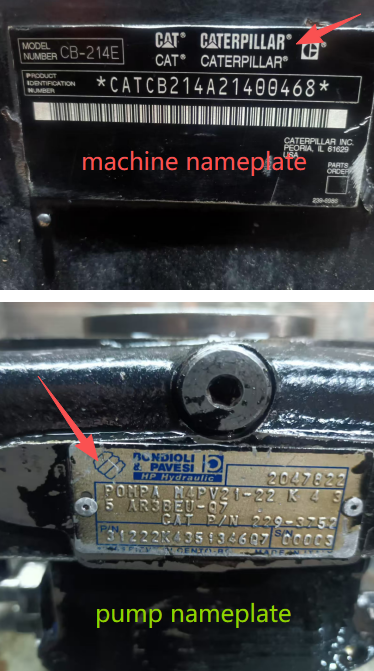
The most useful identification information is often found on the nameplate attached to the hydraulic pump, motor, valve, or gearbox.
A typical nameplate may show:
- Component manufacturer
- Pump or motor model
- Assembly number
- Serial number
- Rotation direction
- Displacement
- Manufacturing code
- Customer or machine-manufacturer number
Common hydraulic component manufacturers include:
- Kawasaki
- Rexroth
- Nachi
- Kayaba
- Eaton
- Sauer Danfoss
- Linde
- Parker
- Uchida
- Nabtesco
- Teijin Seiki
Take a clear photo of the complete nameplate before removing the component from the machine.
Do not send only one manually typed number when a nameplate photo is available. Characters such as 0, O, 1, I, 5, and S are easily confused.
2. Search by the original component manufacturer’s model
A hydraulic pump may carry two different identification numbers:
- The machine manufacturer’s part number
- The hydraulic pump manufacturer’s model number
For example, an excavator manufacturer may purchase a pump from Kawasaki, Rexroth, Eaton, or another hydraulic company and assign its own replacement part number to the complete pump.
The original manufacturer’s pump model is often more useful when searching for internal repair parts.
Instead of searching only:
Hydraulic pump repair kit for excavator modelsearch using the exact pump model:
A4VG56DA1D2 hydraulic pump repair kit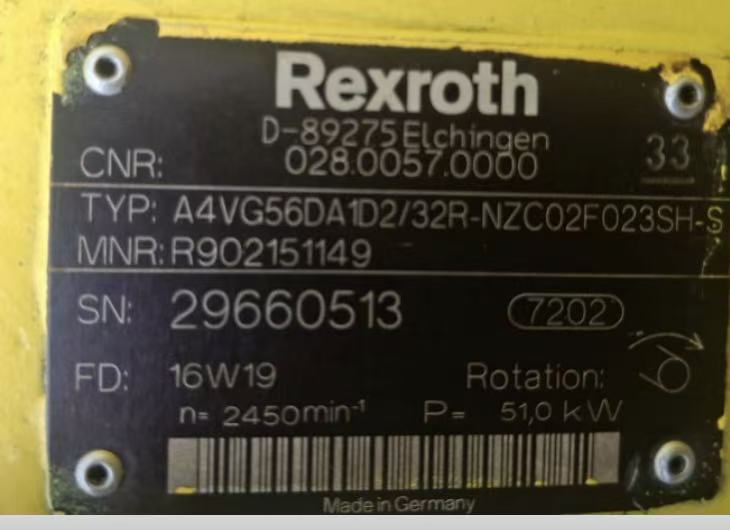
FarinParts currently lists pump-specific kits such as an A4VSO250 repair kit containing a cylinder block, valve plate, piston shoe set, retainer plate, ball guide, and thrust plate, demonstrating why the pump model is important when identifying internal parts.
3. Record the complete machine model
The machine model is still important, especially when it is combined with the component number.
Provide the complete model designation rather than a shortened version.
For example:
Incorrect: PC200
Better: Komatsu PC200-8 or PC200-8
Incorrect: CAT 320
Better: Caterpillar 320D L or CAT320DIncorrect: ZX200
Better: Hitachi ZX200-3 or ZX200-3Letters and production suffixes may indicate different.Never assume that all machines with the same basic model number use the same repair kit.
4. Provide the machine serial number
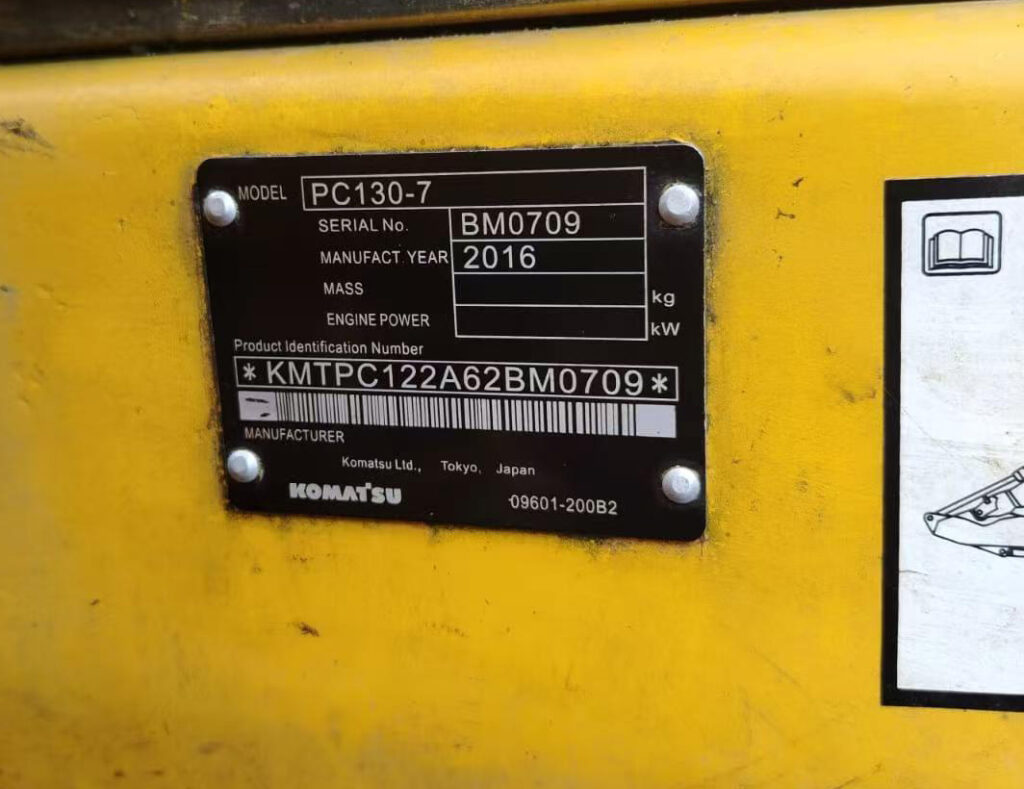
The machine serial number helps determine when and where the machine was manufactured.
Manufacturers may change hydraulic components during a model’s production period. Two machines with the same model name may use different pumps or motors because they fall into different serial-number ranges.
Send:
- A clear photo of the machine identification plate
- The complete serial number
- The product identification number, when available
- The manufacturing year, when known
Do not remove letters, spaces, prefixes, or suffixes from the serial number.
5. Find the OEM part number
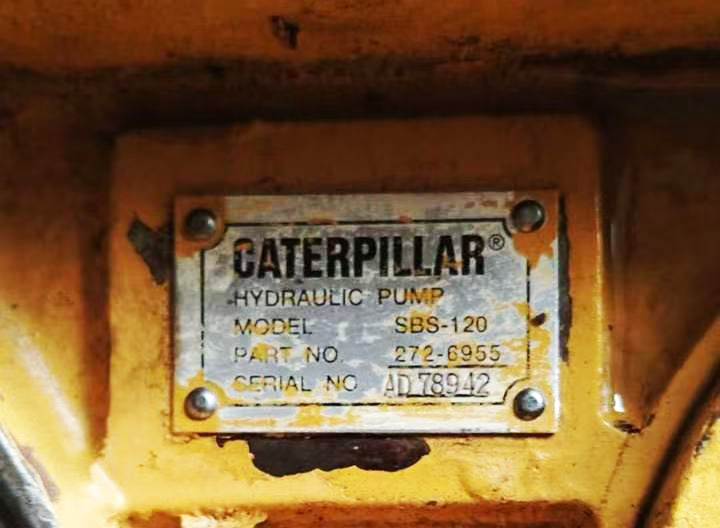
The OEM part number may be found in:
- The machine parts manual
- Dealer documentation
- Previous repair invoices
- Component labels
- Workshop records
- Online parts catalogs
- The old kit package
An OEM part number can help identify the correct assembly, but it should be compared with the component nameplate whenever possible.
Some part numbers identify the complete hydraulic pump rather than the internal repair kit. In that case, the supplier may need to cross-reference the complete pump number to determine the correct internal components.
Provide every related number you can find instead of selecting only one.
6. Confirm the exact pump or motor series
Hydraulic model numbers often include suffixes that indicate configuration differences.
For example, the same basic pump family may have different:
- Shaft types
- Valve plates
- Rotation directions
- Regulators
- Control systems
- Mounting flanges
- Displacement settings
- Port arrangements
- Piston quantities
A kit listed for the same basic series may not contain every part required for your exact configuration.
When sending the number, include the full code shown on the plate. Do not remove the last letters or numbers because they appear unimportant.
For example:
Incomplete: A10V
Better: A10VSO71DFR1
7. Compare the old parts
When the number is missing, damaged, or uncertain, photos of the old components can help confirm the kit.
For a hydraulic pump, photograph:
- Cylinder block
- Valve plate
- Pistons and shoes
- Retainer plate
- Ball guide
- Thrust plate
- Drive shaft
- Bearing
- Swash plate
- Seal arrangement
Place the parts on a clean surface and photograph them from directly above.
Important details include:
- Number of pistons
- Number and position of holes
- Valve-plate port shape
- Shaft spline count
- Cylinder-block diameter
- Retainer-plate design
- Rotation marks
- Thickness and overall dimensions
Small differences may indicate that the parts belong to another pump version.
8. Measure critical dimensions
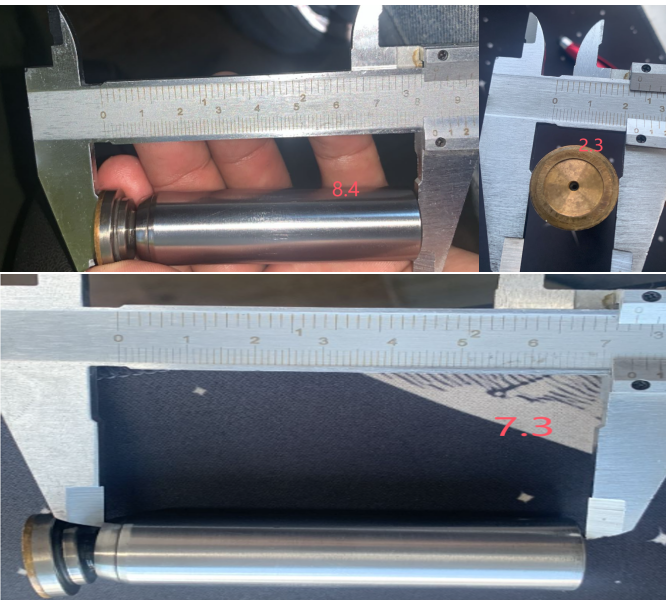
Measurements are especially useful when the identification plate is missing or the component has previously been rebuilt.
Depending on the repair kit, useful dimensions may include:
- Cylinder-block outside diameter
- Cylinder-block height
- Valve-plate outside diameter
- Valve-plate thickness
- Piston diameter
- Piston length
- Shoe diameter
- Shaft diameter
- Shaft spline count
- Bearing dimensions
- Seal inside and outside diameter
- Groove width
- Rod diameter
- Cylinder bore diameter
Use a vernier caliper or micrometer rather than an ordinary ruler.
Measurements should support the part-number identification process, not replace it when a valid component number is available.
9. Check what the repair kit contains
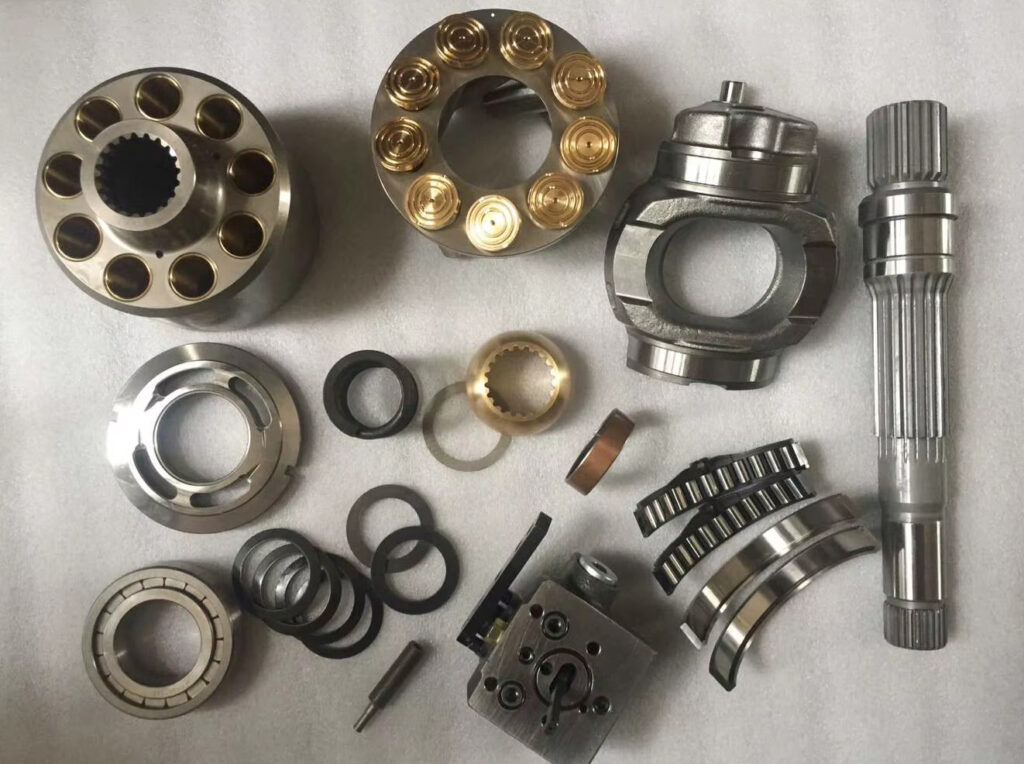
The term “repair kit” does not always mean a complete overhaul package.
One supplier’s hydraulic pump repair kit may contain:
- Cylinder block
- Valve plate
- Piston shoe assembly
- Retainer plate
- Ball guide
- Thrust plate
Another may also include:
- Drive shaft
- Bearings
- Swash plate
- Seal kit
- Regulator parts
- Springs
- Pins
For example, FarinParts lists an MPV046 hydraulic pump repair kit with a cylinder block, press pins, valve plate, retainer plate, ball guide, and seven piston shoe assemblies. The exact contents are stated separately rather than implied by the phrase “repair kit.”
Before ordering, ask for:
- Quantity of each component
- Whether bearings are included
- Whether the oil seal kit is included
- Whether regulator parts are included
- Whether the kit repairs one or multiple pump sections
Do not rely only on the product title.
10. Decide whether a repair kit is enough
A repair kit is suitable only when the main housing and reusable components are still serviceable.
A kit may not solve the problem when the component has:
- A cracked housing
- A bent or broken shaft
- Severe bearing-seat damage
- Deep swash-plate wear
- Excessive internal clearance
- Heavy metal contamination
- Damaged regulator bores
- Cavitation damage
- Severe overheating
- Previous incorrect machining
Before buying internal parts, disassemble and inspect the complete component.
If most major parts are damaged, replacing the complete pump or motor may be more practical than rebuilding it with an extensive parts kit.
11. Identify the cause of failure
Installing new parts without correcting the original problem can cause the rebuilt component to fail again.
Common causes of hydraulic pump damage include:
- Contaminated hydraulic oil
- Incorrect oil viscosity
- Low oil level
- Blocked suction filter
- Air entering the suction line
- Excessive operating temperature
- Cavitation
- Incorrect pressure adjustment
- Damaged hoses
- Restricted oil flow
- Poor installation
- Failure to flush the hydraulic system
Before restarting the machine:
- Clean the hydraulic tank.
- Replace contaminated hydraulic oil.
- Replace the necessary filters.
- Inspect suction hoses and connections.
- Flush lines and related components.
- Check the cooler.
- Confirm pressure settings.
- Prime the pump according to the service procedure.
A new repair kit cannot compensate for contaminated oil or an unresolved hydraulic-system fault.
12. Send complete information to the supplier
A complete inquiry helps the supplier check fitment more accurately and reduces unnecessary questions.
Send the following information:
- Machine identification plate
- Component nameplate
- Complete component photos
- Old parts photos,when available
- Measurements,when available
- Parts-manual diagram, when available
Repair kit or complete replacement component?
Choose a repair kit when:
- The pump is reusable
- The shaft is serviceable
- Damage is limited to normal internal wear
- A qualified repair technician is available
- Correct specifications and assembly procedures are available
Consider a complete replacement component when:
- The housing is cracked
- The shaft is severely damaged
- Multiple major components have failed
- The repair cost approaches the price of a replacement
- Fast installation is more important than workshop rebuilding
- Repair equipment and technical experience are unavailable
Compare the total cost, including parts, labor, testing, cleaning, machine downtime, and possible repeat repairs.
FAQ:
Can I order a repair kit using only the excavator model?
It is possible to begin the search using the machine model, but it is not sufficient for reliable confirmation. Provide the component nameplate and machine serial number whenever possible.
Where can I find the hydraulic pump model?
Look for a metal nameplate or engraved number on the pump housing. Clean the surface carefully without damaging the plate.
Is the OEM machine part number the same as the pump manufacturer’s number?
Not always. The excavator manufacturer may assign its own part number to a pump produced by a hydraulic component manufacturer.
Does a hydraulic pump repair kit include oil seals?
Some kits include seals, while others contain only rotating-group components. Check the individual product description or ask the supplier for request more information.
Can I identify a repair kit using old-part photos?
Photos can help, but part numbers and precise measurements provide stronger confirmation. Use all available information together.
Should I replace the complete pump instead?
That depends on the condition of the housing, shaft, bearings, regulator, rotating group, and other major parts. Inspect the complete pump before deciding.
Find hydraulic repair parts at FarinParts
FarinParts supplies replacement hydraulic components and repair parts for excavators, loaders, bulldozers, road machinery, agricultural equipment, and other heavy-duty applications.
Available products include:
- Hydraulic pump repair parts
- Complete hydraulic pumps
- Swing motors
- Travel motors
- Final drives
- Control valves
- Hydraulic cylinders
- Seal kits
- Solenoid valves
- Relief valves
- Other machine replacement parts
Browse the FarinParts shop by product name, component model, machine model, or part number.
When the required kit is not listed online, send the component nameplate, machine information, old-part photos, and required quantity to a FarinParts parts specialist for fitment confirmation.
Conclusion
Finding the correct repair kit requires more than knowing the machine model.
The most reliable identification process is to combine:
- Complete machine model
- Machine serial number
- Component nameplate
- Hydraulic manufacturer’s model
- OEM part number
- Old-part photos
- Critical dimensions
- Required kit contents
Taking a few minutes to collect this information can help prevent incorrect parts, repeated repairs, additional freight costs, and unnecessary machine downtime.
Before placing an order, confirm exactly what is included in the kit and inspect the complete component to make sure rebuilding is the right repair option.
Visit the FarinParts online shop to search for hydraulic pump parts, motors, valves, seal kits, and other replacement components for your machine.


