


A Dynapac roller that cranks without starting, loses power under load, smokes, or stalls needs a symptom-led diagnosis. The first useful distinction is whether the engine itself is weak or the roller’s travel or vibration system is taking the load.
This guide covers 17 starting, power, turbocharger, idle, and shutdown problems. Dynapac rollers work on road construction, asphalt paving, and subgrade compaction sites. Use the checks in order, compare cold and warm behavior where relevant, and confirm specifications in the service manual for your machine.
Starting and Exhaust Symptoms
Start by watching cranking speed and exhaust smoke. A starter that cannot turn the crankshaft calls for different checks than an engine that cranks normally but receives no fuel.
1. Slow or Failed Cold-Weather Starting
In cold weather, the engine may crank slowly, need several attempts, or fail to start. Thick oil increases turning resistance, while a cold battery may not deliver enough output for the starter. Diesel can also lose fluidity and wax can clog the filter. Low cylinder temperature, poor injector atomization, or a failed intake preheater can make ignition harder.
- Cranking: Check battery voltage, starting performance, terminals, wiring, and starter speed.
- Fluids and filters: Use oil and winter diesel that meet engine requirements for the ambient temperature. Inspect the fuel filter and water separator for wax, water, or blockage.
- Combustion: Check the intake preheating plug or heater. If those checks do not explain the fault, measure cylinder compression and inspect cylinder sealing.
2. Repeated Attempts or Rough Running After Start
A long crank, repeated attempts, or unstable running just after starting can come from inadequate cranking speed, low compression, insufficient fuel, or an injection fault. Correct injection timing also matters, particularly on a mechanically injected engine.
Measure battery voltage and starter speed while cranking, then inspect the starter, power cables, and grounds. Check oil viscosity, lubrication, and mechanical resistance before measuring compression. Next check fuel supply pressure and injector spray quality; on mechanical systems, check fuel supply timing.
3. Starter Engages but the Crankshaft Will Not Turn
If you hear starter action or gear impact but the crankshaft does not rotate, inspect the starter drive gear and flywheel ring gear for poor engagement, wear, broken teeth, or deformation. The engine could also be locked by piston and cylinder scoring, oil-starved crankshaft bearings, a seized injection pump or accessory, or water in a cylinder.
Check the battery, starter, and ring gear first. If the electrical system is sound, stop repeated starting and check whether the crankshaft can turn in the specified direction under safe conditions. If it cannot, inspect lubrication, accessory drives, and the cylinders. Severe oil shortage, overheating, or metal debris may point to bearing or piston damage.
Repair caution: Do not force an engine that is seized or hydraulically locked to start; doing so can bend connecting rods or damage gears and other internal parts.
4. Engine Cranks but Will Not Start, With No Exhaust Smoke
Normal cranking with no sign of ignition and almost no exhaust smoke directs attention to fuel delivery and injection control. Possible causes include an empty tank, clogged filter or water separator, failed transfer pump, air in the fuel line, a mechanical injection pump or fuel stop solenoid fault, electronic power, sensor, or injection control faults, and severe valve timing error.
Check fuel level and quality, then the filter and supply lines. Bleed the low-pressure system as the maintenance manual directs and measure its supply pressure. On mechanical systems, inspect the fuel stop device and pump delivery; on electronic systems, read fault codes and check speed signals and injection control. If supply is normal, move to injection, valve timing, and compression.
5. Heavy White Smoke During Starting
Persistent white smoke with difficult starting may accompany unstable running or coolant loss. Water in the fuel, a damaged head gasket, a cracked head or block, poor cold combustion, or an injector fault are possible causes.
Inspect fuel quality and the water separator first. If coolant is also falling, pressure-test the cooling system and inspect the head gasket and head. Brief white smoke on a cold start should be judged against engine temperature and whether it clears; smoke alone does not establish a head-gasket fault.
6. Grayish-White Smoke and Engine Shaking
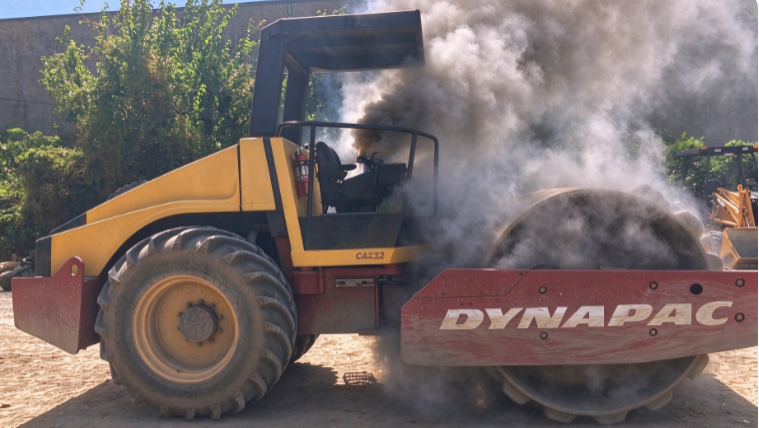
Grayish-white smoke at start can occur with prolonged cranking, incomplete combustion, or shaking. Check for a cold engine, poor injector atomization, late fuel delivery timing, abnormal fuel supply, low compression, or fuel that does not meet requirements.
Start with fuel quality, the preheating system, and actual engine temperature, then check the injectors. If smoke persists after the engine reaches normal temperature, inspect injection timing, compression, and valve sealing. The guide to common fuel injector problems provides more detail on injector symptoms.
7. Thick Black Smoke at Start
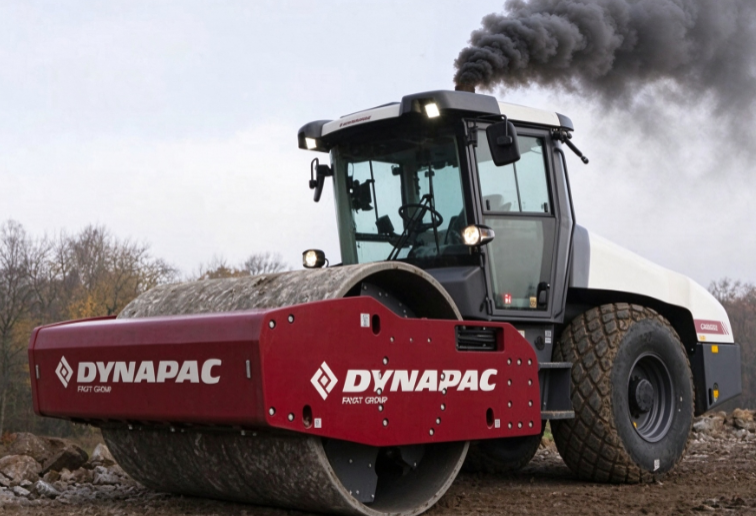
Thick black smoke and difficult starting suggest incomplete combustion. The original checks include a clogged air filter or restricted intake, a dripping or poorly atomizing injector, incorrect mechanical pump fuel adjustment or injection timing, low compression, and poor diesel quality.
Inspect the air filter and intake path first. Then check the injector for dripping, abnormal injection pressure, or poor atomization. Have a qualified technician check mechanical pump delivery and timing; check compression and fuel quality if the earlier checks do not explain the smoke.
8. Normal Cold Start but Difficult Hot Restart
If the engine starts cold but is hard to restart after working, compare its cold and hot cranking speeds. A weakening hot starter, poor battery or cable contact, low fuel pressure, wear in a mechanical injection pump piston pair or injector needle valve pair, or a heat-related electronic sensor or actuator fault may be involved.
Check the starter, cables, and battery first. Then compare hot fuel supply pressure and injection behavior and read relevant faults. On mechanically injected engines, test pump piston-pair sealing and injector operation.
Power Loss and Acceleration
If the engine idles normally but weakens during travel, vibration, or sustained load, separate engine speed loss from abnormal hydraulic or transmission load. Fuel supply, air supply, and boost checks follow the observed symptom.
9. Power Falls During Sustained Work
An engine that idles and accelerates briefly but loses speed under continuous load may be short of fuel. Possible restrictions include the diesel filter, water separator, tank suction strainer, fuel line, or tank vent. A weak transfer pump or water in the separator can have the same effect.
Inspect the filter and separator and measure low-pressure fuel supply. Check the tank vent safely, then look for tank sediment and a blocked suction pipe. If engine speed remains normal while travel or vibration weakens, inspect hydraulic load and transmission components. The hydraulic parts category covers these components.
Safety: Depressurize the hydraulic system before loosening fittings, and never use your hand to check for a leak.
If diagnosis points to a hydraulic pump or travel gearbox, catalog examples include the 4812104209 hydraulic piston pump for Dynapac CA250D CA301D, 4700395385 hydraulic pump for Dynapac CA250D CA301D, and 4812027194 planetary travel gearbox for Dynapac CA250D CA301D. Match the machine and part details before ordering.
10. Engine Cannot Reach Specified High Speed
If low-speed operation is normal but the engine cannot reach its specified high speed, inspect throttle travel and fuel delivery. The original possibilities include a restricted linkage, insufficient mechanical pump delivery, a fatigued governor spring or worn adjustment mechanism, pump piston-pair wear, declining injector performance, air in the fuel system, or electronic power-limit protection.
Check the throttle linkage, pedal, or electronic throttle signal. On mechanical systems, inspect the governor and fuel supply mechanism. On electronic systems, read fault codes and check whether speed or torque limiting is active.
11. Blue Smoke and Rising Oil Consumption
Continuous blue exhaust smoke, increased oil use, and sometimes weak power indicate oil may be entering the combustion chamber. Check for overfilled oil, worn piston rings or liners, valve guides or oil seals, turbocharger bearings or seals, crankcase ventilation trouble, and intake conditions linked to turbocharger oil leakage.
Verify the oil level first. Then inspect crankcase ventilation, the intake pipe, and the turbocharger for oil buildup. If internal wear remains likely, measure compression and check crankcase blow-by. Confirm the oil supply and return circuits before repairing or replacing a damaged turbocharger.
Turbocharger Faults
The turbocharger uses exhaust energy to raise intake pressure. Because it operates at high speed and temperature, clean oil, reliable oil flow, and a clear intake and exhaust path matter.
12. Repeated Turbocharger Trouble
Before replacing a failed turbocharger again, look for inadequate oil pressure or interrupted supply, contaminated or deteriorated oil, heat-related oil coking, a clogged return pipe, air-filter failure and foreign matter, intake or exhaust leaks or blockage, bearing wear, and rotor imbalance.
- Lubrication: Use the oil grade in the engine manual, replace oil and filter as required, and check both oil supply and return lines for blockage.
- Air path and turbocharger: Inspect the air filter, intake sealing, and compressor impeller for scoring, cracks, or foreign-object damage. Measure axial and radial clearance against the applicable specification.
- Operation: Follow the engine manufacturer’s guidance for cooling after high-load work and for any idle preheating. Avoid unnecessary prolonged idling.
Maximum speed, operating temperature, and allowable shaft clearance vary by turbocharger model. Use the correct engine documentation rather than a single replacement threshold.
Idle Problems
Fuel supply, governor control, injectors, electronic control, and internal engine condition can all affect idle. Watch whether speed drops, stays too high, or hunts up and down.
13. Engine Stalls When the Throttle Returns to Idle
An engine that runs while accelerating but stalls as speed returns to idle may have a damaged mechanical governor idle spring, incorrect governor adjustment, worn injection pump piston pair, low fuel supply pressure, low compression, or an electronic idle-control fault.
Check low-pressure fuel supply and air ingress first, then the idle-control mechanism. Inspect the governor spring and adjustment on a mechanical engine. On an electronically controlled engine, read fault codes and check sensor signals and control status; measure compression if the fuel and control checks do not explain the stall.
14. Idle Speed Stays Too High
If speed remains above the specified idle after releasing the throttle, check for a sticking linkage or operating mechanism, weak return spring, misadjusted idle screw, internal governor fault, or abnormal electronic throttle or idle signal.
Confirm the linkage, pins, and springs return freely. Set a mechanical governor’s idle only to the applicable standard. For electronic control, inspect signals and settings before changing any control parameters.
15. Idle Hunts or the Engine Shakes
Periodic speed swings, vibration, or stalling at idle can follow air in the fuel lines, a clogged diesel filter, poor injector spray, uneven delivery between cylinders on a mechanical pump, loose or worn governor linkage, unstable low-pressure fuel supply, or electronic fuel-control or sensor faults.
Check the filter, fuel lines, and supply pressure first. After ruling out air leaks and clogging, inspect injectors and the injection pump. Check mechanical governor linkage, pins, and springs for wear. On electronic systems, use fault codes and live engine speed and fuel-pressure data to assess control fluctuations.
Shutdown During Operation
A roller that stops on a job site needs to be secured before diagnosis. Whether the engine stops abruptly or fades out gradually helps narrow the first checks.
16. Engine Stops Suddenly
An abrupt stop without throttle release can result from a damaged injection pump drive or broken shaft, internal seizure, an unintended mechanical fuel-stop action, loss of fuel-solenoid or engine-control power, or an electronic protection shutdown.
Secure the machine and check alarms, oil pressure, and coolant temperature. If the crankshaft still turns, check fuel delivery, control power, and the fuel-stop device. If it does not, stop repeated starting and investigate mechanical seizure. For electronic engines, read fault codes and shutdown records.
17. Engine Gradually Loses Speed and Stalls
A gradual fall in power and engine speed usually directs the first checks to fuel supply. The tank may be low, contaminated with water or debris, or unable to vent. A clogged filter, water-filled separator, air leak in a fuel line, or weak transfer pump can also interrupt supply.
Check fuel level and quality, service a clogged filter, and drain the separator. Inspect line sealing, measure low-pressure fuel supply, and check the tank vent as directed. After restoring fuel flow, bleed the system and perform the manual’s starting checks. If engine speed is normal but travel weakens or stops, investigate the hydraulic travel system instead of assuming a fuel fault.
Quick Diagnosis Table
Use the symptom to choose the first system to inspect, then follow the related section above before disassembling parts.
| Symptom | Check first | Possible direction |
|---|---|---|
| Cold-weather starting trouble | Battery and fuel system | Slow cranking or diesel waxing |
| Crankshaft will not turn | Starter, flywheel, engine | Gear fault or mechanical seizure |
| Cranks with no smoke | Fuel supply | No delivery or control fault |
| White smoke at start | Fuel and cooling system | Poor combustion, fuel water, or coolant leak |
| Black smoke at start | Air filter and injection | Restricted air or injection fault |
| Hot restart trouble | Starter and injection | Heat-related fault or internal fuel leakage |
| Power fades under load | Fuel filter and transfer pump | Insufficient fuel supply |
| Cannot reach specified speed | Throttle and governor | Control fault or insufficient fuel |
| Weak power with black smoke | Intake and turbocharger | Insufficient boost or incomplete combustion |
| Weak power with blue smoke | Piston rings and turbocharger | Oil entering combustion chamber |
| Repeated turbocharger failure | Oil lines and intake | Poor lubrication or foreign matter |
| Unstable idle | Fuel system and governor | Supply fluctuation or control fault |
| Sudden shutdown | Control system and mechanical drive | Power loss, fuel stop, or seizure |
| Gradual shutdown | Low-pressure fuel supply | Interruption or filter blockage |
Maintenance and What to Do Next
Work from accessible checks toward internal repairs. Keep the fuel and air filters serviced on dusty sites, watch for water and debris in fuel, and maintain the oil and supply lines that protect the turbocharger. In winter, pay particular attention to the battery, fuel, oil viscosity, and preheating system. Leave precision injection and governor work to qualified repair personnel.
Once the failed system is identified, compare the machine and part details before buying. The guide to finding parts by model and part number explains the identification process, and the engine parts category provides a starting point for engine components. If the match remains uncertain, request a parts quote with the machine and part details.


