


Fuel injectors are key components of an engine’s fuel system and are precision parts manufactured to very tight tolerances. Fuel injectors need to provide a wide dynamic flow range, good resistance to clogging and contamination, and proper fuel atomization.
The fuel injector receives injection pulse signals from the ECU and controls fuel injection according to engine operating conditions. Injector performance directly affects engine power, fuel economy, emissions, and reliability.
According to the requirements for air-fuel mixture formation and combustion, the injector must deliver fuel under specified conditions with the appropriate injection pressure, injection quantity, and spray pattern. When injection ends, the injector should also shut off quickly to prevent fuel dripping or abnormal leakage.
Common fuel injector problems include needle valve sticking, injector clogging, fuel leakage, excessive return flow, and poor fuel atomization.
These problems can cause abnormal injector operation and further affect normal engine performance.
Fuel Injector Needle Valve Sticking
The following sections explain five Common Fuel Injector Problems, their symptoms, causes, and possible solutions.
When the fuel injector operates, the engine control unit sends a control signal to actuate the internal injector mechanism, causing the needle valve to open and close as required.
If gum, deposits, or other contaminants affect the precision mating area between the needle valve and valve seat, the needle valve may stick and fail to open or close normally, affecting normal fuel injection.
Common Symptoms of Needle Valve Sticking
- Hard starting: The injector cannot open or close normally, resulting in poor fuel atomization or fuel leakage.
- Rough idle: Uneven injection quantity between cylinders causes engine vibration.
- Reduced power and poor acceleration: Abnormal injection quantity reduces combustion efficiency.
- Black exhaust smoke: A typical result of incomplete fuel combustion.
Main Causes
- Contaminated fuel: Impurities, water, gum, or paraffin in low-quality diesel can form sticky deposits in precision clearances.
- Carbon deposits: Damage to the needle valve sealing surface may allow high-temperature combustion gases to enter the mating area and form carbon deposits.
- Localized overheating: Engine overheating, incorrect injection timing, or excessive tightening torque during installation may cause needle valve deformation or seizure.
Prevention and Repair
- Regular maintenance and cleaning: Remove the injector and clean the needle valve assembly with clean diesel fuel to remove carbon deposits.
- Use qualified fuel: Use high-quality, clean diesel fuel and replace the fuel filter regularly.
- Proper installation: Install the injector according to the specified tightening torque to prevent deformation and uneven wear.
Fuel quality and fuel system contamination are important causes of needle valve sticking. If the fuel contains excessive impurities, gum, or other contaminants, deposits may gradually form inside the injector and interfere with normal needle valve movement.
Fuel Injector Clogging
Fuel injector clogging is one of the common fuel injector problems caused by fuel contamination or carbon deposits.
Common Symptoms
- Rough idle: Different degrees of injector clogging between cylinders cause uneven power output and periodic engine vibration.
- Hard cold starting: Fuel cannot form the proper spray pattern, resulting in an overly lean mixture and requiring repeated starting attempts.
- Hesitation or poor acceleration: Insufficient fuel delivery under high load causes slow power response.
- Increased fuel consumption: Reduced combustion efficiency causes the ECU to extend injection pulse width for compensation, increasing actual fuel consumption.
- Engine misfire: In severe cases, the malfunction indicator light may illuminate.
Diagnostic Methods
- Read diagnostic trouble codes
- Monitor fuel trim values
- Perform a cylinder balance test
Repair and Treatment
- Minor clogging: Use an appropriate fuel additive over consecutive refueling cycles to help dissolve deposits.
- Moderate clogging: Use an on-car circulation cleaning process to flush the fuel rail and injector passages.
- Severe clogging: Remove the injector for ultrasonic cleaning and flow testing. If the spray pattern or flow does not meet specifications, the injector must be replaced. Do not use a metal needle to forcefully clean the nozzle holes, as this may permanently damage the nozzle.
Fuel Injector Leakage
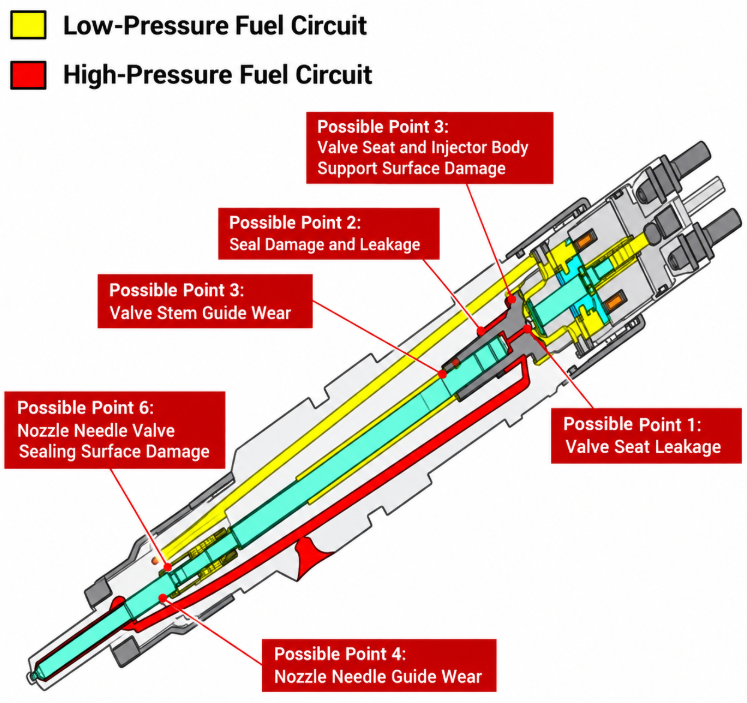
Fuel injector leakage is another of the common fuel injector problems and commonly causes hard starting, rough idle, increased fuel consumption, and a noticeable fuel smell.
Common Symptoms
- Hard starting: After the engine is shut down, fuel may leak into the cylinder, causing an excessively rich mixture and making hot or cold starting difficult.
- Rough idle: Uneven fuel delivery between cylinders causes engine vibration and unstable RPM.
- Increased fuel consumption: Fuel dripping causes waste and increases overall fuel consumption.
- Fuel smell: External leakage may cause a noticeable gasoline or diesel smell in the engine compartment or exhaust.
- Check Engine light: The ECU may detect abnormal combustion and illuminate the Check Engine light.
Common Causes
- Aged seals: O-rings or sealing washers become hardened, cracked, or worn.
- Needle valve does not close properly: Excessive carbon deposits or mechanical wear inside the injector may cause fuel dripping after the injector closes.
- Damaged injector body: The injector body may develop cracks due to component defects or external forces.
Recommended Solutions
- Replace the seals: If the problem is limited to aged external O-rings or sealing washers, remove and replace the damaged seals.
- Clean or replace the injector: Minor dripping may be addressed through professional cleaning. If internal components are worn or the injector body is cracked, the injector should be replaced to ensure safe operation.
Excessive Fuel Injector Return Flow
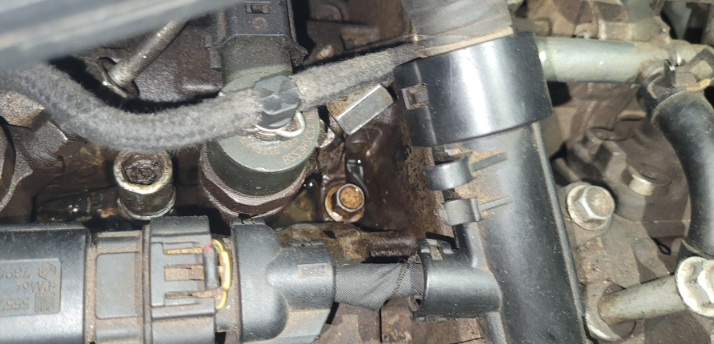
Excessive return flow is one of the common fuel injector problems found in diesel and common rail injectors.
Excessive injector return flow is usually caused by severe wear or sealing failure of internal injector components, such as the needle valve, needle valve body, or control valve plate. This allows high-pressure fuel to leak through precision clearances and return to the fuel tank.
Common Causes
- Internal component wear: Excessive clearance between the needle valve and needle valve body, or wear of the control valve or valve plate in a common rail injector, may allow high-pressure fuel to leak internally.
- Abnormal fuel pressure: A failed fuel pressure regulator or excessive fuel system pressure may force more fuel through internal clearances.
- Pressure spring failure: A weakened or broken pressure spring inside the injector may prevent normal sealing pressure from being maintained.
- Fuel contamination: Water or impurities in diesel fuel may cause abnormal wear or sticking of precision injector components.
Main Effects
- Hard starting: Excessive return flow causes rail or fuel system pressure to build slowly, making the engine difficult to start.
- Reduced power: Insufficient injection pressure and reduced injection quantity may cause reduced engine power and rough idle.
- Increased fuel consumption: Fuel is not burned normally, reducing efficiency and wasting fuel.
Maintenance and Solutions
- Clean or replace internal components: Disassemble the injector and inspect needle valve movement. If the sealing surface is worn, sealing is poor, or clearances exceed specifications, replace the needle valve assembly or control valve components.
- Calibrate injection pressure: Retest the operating parameters on a dedicated fuel injector test bench and adjust the preload of the pressure spring to ensure that the opening pressure meets specifications.
- Replace the fuel filter: Regularly replace the diesel fuel filter with a high-quality filter to prevent contaminants and water from continuing to damage precision injector components.
- Replace the complete injector: If critical internal components are severely worn and cannot be repaired individually, replace the injector with one of the same model to prevent problems such as failure to build rail pressure, hard starting, or rough idle.
Poor Fuel Injector Atomization
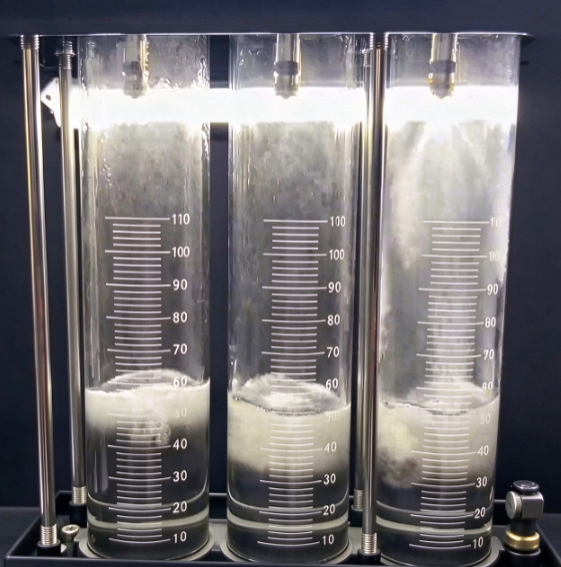
Poor fuel atomization is one of the common fuel injector problems that directly affects fuel combustion.
If the injector nozzle holes become worn or develop carbon deposits, or if related internal components become worn, the normal injection pattern may change and result in poor fuel atomization.
Common Symptoms
- Engine vibration: Incomplete combustion causes uneven cylinder operation, resulting in noticeable vibration at idle or during acceleration.
- Reduced power: Poor fuel injection and reduced combustion efficiency result in insufficient engine power and poor acceleration.
- Increased fuel consumption: Large fuel droplets cannot be completely converted into useful energy, increasing fuel consumption.
- Black smoke or excessive emissions: Incomplete combustion produces excessive carbon deposits and harmful emissions.
- Rising engine oil level: Unburned diesel fuel may flow down the cylinder walls into the oil pan, causing the engine oil level to rise. This is commonly seen in diesel engines.
Main Causes
- Carbon deposits or clogged nozzle holes: Impurities in the fuel or poor-quality fuel may form carbon deposits under high temperatures and interfere with normal fuel injection.
- Low injection pressure: Reduced spring force or wear of the spring contact surface may result in insufficient opening pressure.
- Needle valve and valve seat wear: Wear of the precision mating components may cause poor sealing or fuel dripping.
- Contaminated fuel: A failed fuel filter may allow contaminants to enter the injector, accelerating wear and clogging.
Maintenance and Troubleshooting
- Check the fuel filter: Inspect it for clogging and replace it if necessary.
- Clean or test the injector: Remove the injector, clean carbon deposits from the nozzle holes, and use an injector test bench to check injection pressure and spray pattern.
- Avoid unnecessary replacement: If poor atomization is minor and there is no severe fuel dripping, cylinder swapping or professional cleaning can first be used for verification instead of immediately replacing the injector.
When fuel cannot form a proper spray pattern, the mixing of fuel and air and the combustion process may be affected.
For diesel engines, if larger fuel droplets cannot burn completely, fuel may also dilute the engine oil, reducing oil viscosity and affecting lubrication performance. In severe cases, this may further cause abnormal wear of internal engine components.
Conclusion
The operating condition of a fuel injector directly affects the engine’s fuel injection and combustion process. Needle valve sticking, injector clogging, fuel leakage, excessive return flow, and poor atomization are all common fuel injector problems encountered during repair.
When an engine experiences hard starting, rough idle, reduced power, abnormal fuel injection, or abnormal return flow, the cause should be determined together with fuel injector test results rather than diagnosing injector damage based on a single symptom alone.
Safety Precautions
Proper testing is important when diagnosing common fuel injector problems, because similar engine symptoms may have different causes.
Common rail fuel systems are high-pressure systems. Do not disassemble fuel injectors, high-pressure fuel lines, or other high-pressure fuel components while the system is pressurized, as high-pressure fuel can cause serious injury.
Fuel injectors are also precision components. If disassembly, repair, or testing is required, professional repair tools and appropriate testing equipment should be used, and the work should be performed by qualified personnel with suitable repair facilities.
FAQ
What are the most common fuel injector problems?
The most common fuel injector problems include needle valve sticking, injector clogging, fuel leakage, excessive return flow, and poor fuel atomization. These problems can affect fuel injection and engine combustion.
How are common fuel injector problems diagnosed?
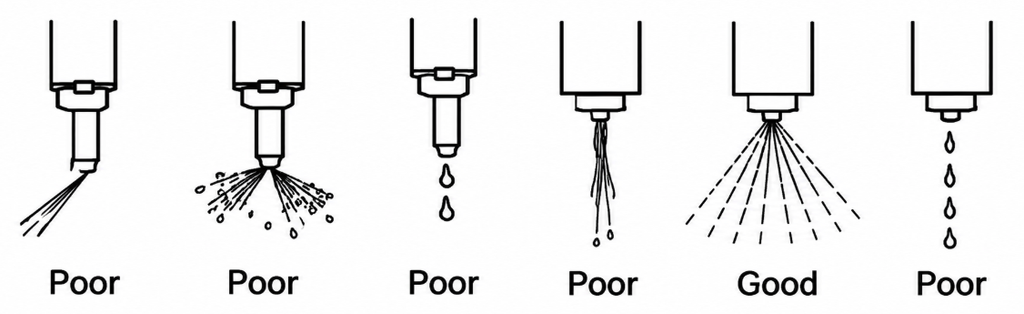
Common fuel injector problems can be diagnosed by checking symptoms and using appropriate tests such as diagnostic trouble code reading, cylinder balance testing, return flow testing, and injector test bench inspection.
What causes a fuel injector to become clogged?
Fuel injector clogging is commonly caused by contaminants in the fuel, carbon deposits, or impurities entering the injector. Clogging can restrict fuel flow and affect the injector’s spray pattern and injection quantity.
Why does a fuel injector have excessive return flow?
Excessive return flow may occur when internal precision components such as the needle valve, needle valve body, or control valve become worn or fail to seal properly. This can allow excessive high-pressure fuel to leak internally and return through the fuel return circuit.
Can a faulty fuel injector be cleaned or does it need to be replaced?
It depends on the condition of the injector. Minor contamination or clogging may be addressed through professional cleaning. If precision internal components are severely worn, the injector body is damaged, or the injector cannot meet test specifications after repair, replacement may be necessary.


