

Fuel injector lifespan depends on fuel quality, engine operating conditions, maintenance, and injector quality. Fuel injectors are key components of an engine’s fuel system and play an important role in fuel delivery and engine performance.
As operating time increases, fuel injectors may develop carbon deposits, clogging, wear, leakage, or electrical faults, which can affect engine combustion efficiency, power, and fuel economy.
So, how long do fuel injectors usually last? When should they be replaced? How can you tell if a fuel injector has a problem?
This article explains the service life of fuel injectors, how to determine when replacement is necessary, how fuel injectors work, and the most common failure symptoms.
How Long Do Fuel Injectors Last?
Several factors can affect fuel injector lifespan, including fuel quality, operating conditions, fuel system cleanliness, and regular maintenance.There is no universal mandatory replacement interval for fuel injectors.
Under normal operating conditions and with proper maintenance, automotive fuel injectors can typically last 100,000–150,000 km or longer. However, actual service life can be affected by:
- Fuel quality
- Operating conditions
- Engine operating conditions
- Fuel system cleanliness
- Regular maintenance
- Injector manufacturing quality
Therefore, fuel injectors should not be replaced based on mileage alone. A more appropriate approach is to consider engine symptoms, diagnostic data, and fuel injector test results.
Recommended Maintenance
For vehicles with longer service periods, the fuel system can be inspected regularly according to the vehicle manufacturer’s maintenance requirements and actual operating conditions.
Fuel injectors should be inspected if the vehicle develops:
- Unstable engine idle
- Poor acceleration
- Increased fuel consumption
- Difficult starting
- Engine misfires
- Abnormal emissions
- Fuel injector leakage
When Should Fuel Injectors Be Replaced?
If test results are significantly outside the technical specifications provided by the manufacturer, repair or replacement may be required.
Common factors used to determine whether replacement is necessary include:
- Fuel flow is significantly outside the specified range
- Excessive differences in fuel delivery between cylinders
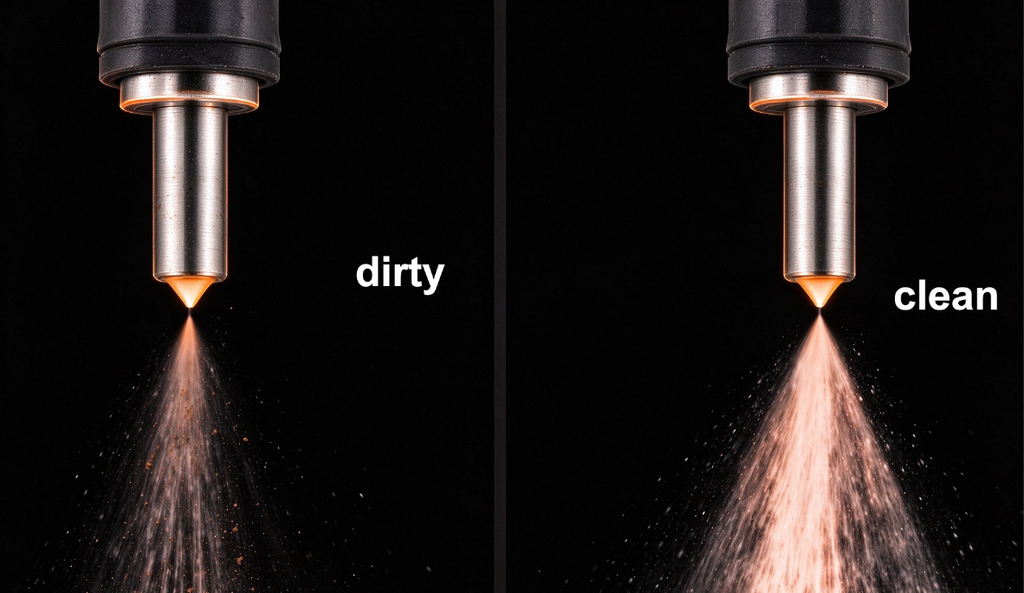
- Poor fuel atomization
- Obvious injector dripping or internal leakage
- Damage to the needle valve, valve body, or electromagnetic actuator
- Abnormal injector electrical parameters
- Performance does not return to normal after cleaning
Specific flow-rate tolerances and testing standards should be based on the technical specifications provided by the engine or fuel injector manufacturer.
How Does a Fuel Injector Work?
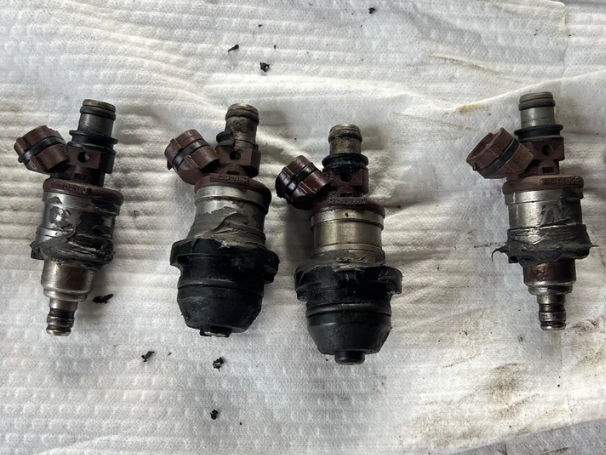
A fuel injector is a precision fuel-control component. Its main function is to deliver a specific amount of fuel into the engine at the correct time according to the ECU’s control signal.
In a typical electronically controlled fuel injection system:
- The ECU receives engine operating data.
- The ECU calculates the required fuel quantity based on engine speed, load, temperature, and other parameters.
- The ECU sends a control signal to the fuel injector.
- The electromagnetic actuator inside the injector controls the needle valve.
- Fuel passes through the nozzle and enters the engine at a specific pressure and injection pattern.
- The needle valve closes and stops fuel injection.
By precisely controlling injection timing and fuel quantity, the fuel injector helps the engine maintain stable combustion.
Why Fuel Injector Performance Matters
A properly functioning fuel injector needs to maintain stable:
- Fuel delivery
- Injection pressure
- Spray pattern
- Injection response
- Sealing performance
If a fuel injector becomes clogged, worn, or leaks, it may cause uneven fuel delivery and affect engine performance and emissions.
Should a Faulty Fuel Injector Be Repaired or Replaced?
When a fuel injector shows abnormal performance, it does not necessarily mean that it must be replaced immediately.
The decision should be based on the specific fault and test results.
Minor Carbon Deposits or Clogging
If the fuel injector only has a certain degree of carbon deposits or contamination, professional cleaning and testing can be carried out according to the manufacturer’s requirements.
After cleaning, the injector should be tested again to confirm whether its fuel delivery, spray pattern, and sealing performance have returned to normal.
Severe Injector Leakage
If the fuel injector has severe external or internal leakage and cannot be restored through an appropriate repair procedure, replacement is generally recommended.
Internal Injector Damage
If the needle valve, valve body, electromagnetic actuator, or other key components are seriously worn or damaged, the decision to repair or replace the injector should be based on the injector type and applicable repair standards.
How Many Injectors Should Be Replaced?
If only one injector has failed, it does not necessarily mean that all injectors must be replaced.
However, if the vehicle has high mileage and the other injectors also show significant flow differences or performance degradation, you may consider replacing the injectors as a set or testing and matching all injectors.
This can help reduce performance differences between injectors and lower the possibility of another injector failing soon after.
Common Symptoms of Fuel Injector Failure
When a fuel injector fails, the engine may show several noticeable symptoms.
Unstable Idle
If fuel delivery between cylinders is uneven, engine combustion may become unstable.
Common symptoms include:
- Engine vibration at idle
- Engine shaking
- Unstable engine speed
- Rough idle
Engine Misfire
A clogged injector, insufficient fuel delivery, or abnormal injection control can cause incomplete combustion in one or more cylinders.
Common symptoms include:
- Jerking during acceleration
- Engine vibration
- Reduced power
- Check engine light
Some gasoline engines may display misfire-related trouble codes such as P0300–P0308, but the specific fault codes depend on the vehicle and ECU system.
Slow Acceleration Response
If the fuel injector’s fuel delivery capacity decreases, the engine may not receive enough fuel during acceleration.
The driver may notice:
- Slow throttle response
- Poor acceleration
- Slow engine speed increase
- Insufficient power under high load
Increased Fuel Consumption
If a fuel injector leaks, delivers an incorrect amount of fuel, or has poor atomization, combustion efficiency may decrease.
In some cases, the ECU may adjust fuel delivery based on feedback from the oxygen sensor and other systems, which can further affect actual fuel consumption.
A common symptom is:Fuel consumption increases without a noticeable increase in vehicle power.
Delayed Power Response or Unstable Engine Operation
When injector response or fuel delivery becomes unstable, engine power output may become inconsistent.
For example:
- Power fluctuates during constant-speed driving
- Jerking during acceleration
- Unstable engine operation
- Reduced performance under high load
Difficult Starting
The engine requires proper fuel delivery during startup.
If the fuel injector is severely clogged, delivers insufficient fuel, or has abnormal leakage, it may cause:
- Difficult cold starting
- Longer starting time
- Engine shaking after starting
- Multiple attempts required to start the engine
Fuel Odor or Abnormal Emissions
If fuel does not burn completely, the amount of unburned fuel in the exhaust may increase.
Depending on the engine type and fault condition, the following may occur:
- Noticeable fuel odor
- Black smoke
- Increased emissions
- Failed emissions testing
- Increased load on the catalytic system or other emissions after-treatment systems
If a strong fuel odor or excessive smoke is detected, the fuel injectors and the entire fuel system should be inspected promptly.
What Factors Affect Fuel Injector Lifespan?
The actual fuel injector lifespan is closely related to vehicle operating conditions and maintenance.
Fuel Quality
Poor-quality or contaminated fuel can accelerate internal injector wear and nozzle clogging.
Fuel Filtration System
If the fuel filter is not replaced for a long time, contaminants may enter the fuel system and increase the risk of injector wear.
Operating Environment
High temperatures, dusty environments, and prolonged high-load operation can increase the workload on the fuel system.
Regular Maintenance
Following the vehicle manufacturer’s maintenance requirements, replacing the fuel filter regularly, and using the required fuel can help extend fuel injector service life.
Injector Manufacturing Quality
Different manufacturers may use different materials, manufacturing tolerances, testing standards, and quality-control procedures.
How Can You Tell If a Fuel Injector Needs to Be Replaced?
If you suspect a fuel injector problem, it is recommended not to rely only on driving symptoms.
The following inspection methods can be used:
Read ECU Fault Codes
Use professional diagnostic equipment to check for misfire, fuel-trim, or fuel-injection system-related fault codes.
Check Injector Electrical Parameters
Depending on the specific injector type, check the coil, resistance, or other electrical parameters
Test Fuel Flow
Place the fuel injector on professional testing equipment and check whether the actual fuel delivery meets the manufacturer’s specifications.
Check the Spray Pattern
Check whether the injector spray is even and stable and whether there is abnormal dripping.
Check for Leakage
Check whether the fuel injector has external or internal leakage.
Compare Multiple Injectors
For multi-cylinder engines, the test results of individual injectors can be compared.
If there are significant performance differences between injectors, further inspection should be carried out and the test results should be used to determine whether repair or replacement is necessary.
How to Extend Fuel Injector Service Life?
To help extend fuel injector service life:
- Use fuel that meets the engine’s requirements
- Replace the fuel filter regularly
- Avoid using contaminated fuel
- Maintain the fuel system according to the manufacturer’s requirements
- Have the fuel system inspected promptly when abnormal symptoms occur
- Do not ignore the check engine light for extended periods
- Confirm the correct part number and engine model when replacing injectors
- Choose fuel injectors that have undergone quality testing
Conclusion
Fuel injectors do not have a fixed replacement interval that applies to every vehicle. 100,000–150,000 km can be used as a general reference for some vehicles, but actual service life depends on fuel quality, engine operating conditions, maintenance, and injector quality.
When a vehicle develops symptoms such as unstable idle, engine misfire, poor acceleration, increased fuel consumption, difficult starting, unstable power output, or abnormal emissions, the fuel injectors should be inspected promptly.
Instead of replacing injectors based solely on mileage, a more appropriate approach is:
Symptom diagnosis → ECU diagnostics → Fuel injector performance testing → Repair or replacement based on test results
When purchasing replacement fuel injectors, confirm the part number, engine model, vehicle model, fuel flow rate, connector, dimensions, and application to ensure that the new injector is correctly matched to the existing fuel system.
Proper maintenance can help extend fuel injector lifespan and maintain stable engine performance.


