

The VOLVO 20440388 injector is mainly used in Volvo D12 series diesel engines and is a core precision component of the engine fuel injection system. This injector is commonly found in Volvo large construction machinery, heavy-duty vehicles, and industrial power equipment, including the EC330B, EC360B, and EC460B.
The 20440388 injector is an electronically controlled unit injector. Its operating condition directly affects engine power output, fuel economy, emissions, and operating stability. As operating hours increase, the injector may develop wear, sticking, carbon deposits, internal leakage, electrical faults, and other problems, resulting in power loss, difficult starting, abnormal exhaust smoke, and increased fuel consumption.
Main Applications of the VOLVO 20440388 Injector
The 20440388 Injector is mainly used in certain Volvo D12 series engines and is commonly found in the following equipment:
- Volvo EC330B Excavator
- Volvo EC360B Excavator
- Volvo EC460B Excavator
- Volvo A25D / A30D Articulated Haulers
- Volvo L150E and other construction machinery
How the 20440388 Injector Works
The 20440388 injector is an electronically controlled unit injector.
Unlike conventional mechanical injectors, this type of injector integrates fuel pressurization and injection functions within the injector itself. The plunger is driven by the engine cam mechanism, while the ECU controls the injector solenoid valve to regulate injection timing and fuel quantity.
The injector mainly contains:
- Solenoid valve
- Control valve
- Plunger assembly
- Needle valve assembly
- Injector nozzle
- Spring
- Precision sealing surfaces
- O-rings and other seals
These components operate continuously under high-speed reciprocating movement, high temperatures, and possible fuel contamination, placing high requirements on manufacturing precision, fuel cleanliness, and installation quality.
Common Symptoms of VOLVO 20440388 Injector Failure
Loss of Engine Power and Poor Acceleration
Injector wear, insufficient fuel delivery, or poor atomization can prevent the fuel from burning completely.
Common symptoms include:
- Noticeable loss of engine power
- Poor acceleration under heavy load
- Reduced excavator working capacity under load
- Reduced climbing performance
- Slower engine response
If only one cylinder injector is faulty, a noticeable power imbalance between cylinders may also occur.
Hard Starting and Unstable Idle
When the injector control valve, plunger, or needle valve becomes worn or stuck, the actual fuel delivery may not meet engine starting requirements.
The engine may show:
- Difficult cold starting
- Extended cranking time
- Rough or unstable idle
- Cylinder misfire
- Unstable engine speed
In severe cases, the affected cylinder may stop working completely.
Black Smoke, White Smoke, and Increased Fuel Consumption
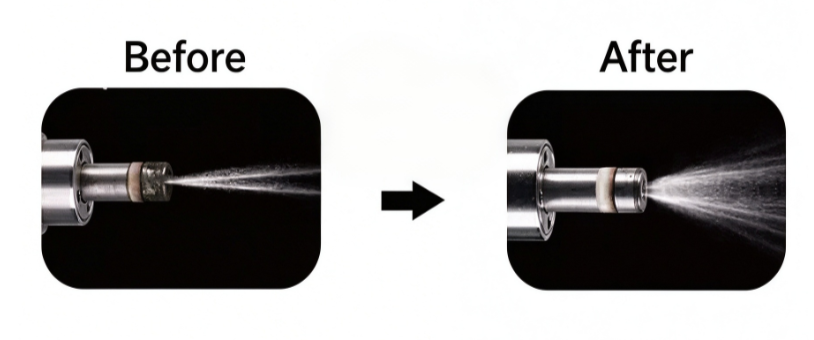
Carbon deposits on the injector nozzle, worn spray holes, or improper injector closing can alter the normal spray pattern.
Possible symptoms include:
- Black smoke: Excessive fuel delivery, poor atomization, or incomplete combustion.
- White smoke: Abnormal cold combustion, improper injection, or insufficient combustion conditions in the cylinder.
Other symptoms may include:
- Noticeably increased fuel consumption
- Strong diesel smell in the exhaust
- Increased engine carbon deposits
- Reduced emissions performance
Increased Engine Noise and Vibration
If fuel delivery differs significantly between cylinders, or if the injector does not open and close correctly, combustion pressure may become uneven between cylinders.
The engine may experience:
- Rough idle
- Harsh operation
- Combustion knocking
- Abnormal mechanical noise
- Increased vibration under load
Long-term operation with these faults may also increase the load on pistons, connecting rods, and other engine components.
ECU Fault Warnings
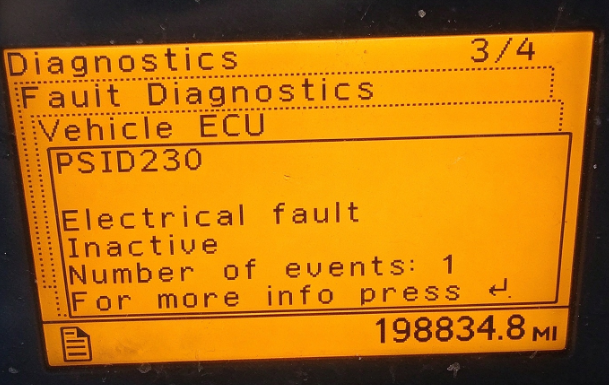
When the injector solenoid valve, wiring harness, or connector develops a fault, the ECU may detect abnormal injection control.
Common problems include:
- Open injector coil circuit
- Electrical short circuit
- Poor connector contact
- Damaged wiring harness
- Abnormal cylinder contribution
The instrument panel may display an engine warning, and corresponding fault information may be stored in the ECU.
Common Causes of 20440388 Injector Failure
Fuel Contamination
Fuel contamination is one of the major causes of injector damage.
Water, dust, particles, and other contaminants in diesel fuel can affect the injector’s precision internal components. Particles may scratch the precision mating surfaces of the needle valve, nozzle, and control components, while water can cause internal corrosion and sticking of moving parts.
Long-term use of poor-quality fuel or failure to replace the fuel filter on time can significantly shorten injector service life.
Nozzle Carbon Deposits and Blocked Spray Holes
Carbon deposits produced during diesel combustion may gradually accumulate around the injector nozzle tip and spray holes.
As deposits become more severe, they can cause:
- Reduced effective spray-hole area
- Reduced fuel delivery
- Abnormal spray pattern
- Poor fuel atomization
- Spray direction deviation
Severe carbon buildup may also interfere with needle valve movement.
Needle Valve and Precision Component Wear
During long-term high-frequency operation, the needle valve, nozzle, and other precision internal components gradually wear.
Wear may cause:
- Increased internal leakage
- Abnormal fuel delivery
- Improper needle valve closing
- Injector nozzle dripping
- Reduced atomization quality
When precision mating surfaces are severely worn, cleaning alone usually cannot restore normal performance.
Solenoid Valve Failure
The injector solenoid valve is continuously exposed to engine heat, vibration, and frequent electrical control.
Corroded connectors, poor electrical contact, and damaged engine wiring can also cause symptoms similar to injector failure.
Seal Deterioration
Several seals are used around the injector installation area. Over time, O-rings and other seals may deteriorate or deform, causing abnormal leakage of fuel or other fluids. In severe cases, engine oil may become contaminated by fuel.
Incorrect Installation
The injector is a high-precision engine component.
The following installation errors may cause premature damage:
- Installation bore not properly cleaned
- Injector installed at an angle
- Incorrect seal installation
- Reuse of old seals
- Incorrect tightening torque
- Injector nozzle impact damage
- Use of unsuitable removal or installation tools
Therefore, injector replacement must follow the engine service requirements.
How to Test the VOLVO 20440388 Injector?
Read ECU Fault Information
Use diagnostic equipment suitable for Volvo engines to read ECU fault information and engine operating data.
Electronic diagnostics can help determine whether a particular cylinder is operating abnormally.
Perform a Cylinder Cutout Test
A cylinder cutout test is an important method for evaluating the operating condition of an individual injector.
During the test, disable the injectors one cylinder at a time and observe changes in:
- Engine speed
- Engine vibration
- Engine sound
- Engine power
If disabling one cylinder causes almost no change in engine operation, that cylinder may already be contributing insufficient power and requires further inspection of the injector, compression pressure, and related components.
Inspect the Injector Electrical System
With the engine switched off and proper safety precautions taken, inspect:
- Injector solenoid valve
- Injector connector
- Engine wiring harness
- ECU-to-injector wiring
Check for:
- Open circuits
- Short circuits
- Poor electrical contact
- Oxidized connectors
- Damaged wiring
Specific electrical parameters should follow the corresponding Volvo D12 engine service manual. A single universal resistance value should not be used for all injector versions.
Professional Test Bench Inspection
If an internal mechanical fault is suspected, the most reliable method is to remove the injector and test it on a professional test bench designed for this type of electronically controlled unit injector.
Main inspection items include:
- Fuel delivery
- Injection consistency under different operating conditions
- Internal leakage
- Solenoid valve response
- Nozzle sealing performance
- Fuel atomization
- Injection stability
Test results should be compared with the corresponding injector specifications.
Inspect the Injector Nozzle Condition
After removing the injector, inspect the nozzle tip for:
- Heavy carbon deposits
- Burning or erosion
- Impact damage
- Deformation
- Abnormal wet fuel deposits
- Obvious signs of leakage
However, a normal external appearance does not guarantee correct internal injector performance, so professional testing should still be used for final evaluation.
VOLVO 20440388 Injector Repair and Maintenance
Use Clean Diesel Fuel That Meets Requirements
Fuel quality has a major effect on injector service life. During refueling, keep fueling tools and the fuel tank opening as clean as possible.
Maintain the Fuel Filtration System Regularly
Replace the fuel filter according to the engine maintenance schedule and regularly drain water from the fuel-water separator.
If the equipment frequently operates in dusty environments such as mines or construction sites, additional attention should be paid to fuel system contamination.
Injector Cleaning
If there are only light carbon deposits on the nozzle, professional cleaning equipment may be used.
Replace or Repair Severe Internal Faults Promptly
When the injector develops the following problems, repair, remanufacturing, or replacement should be carried out based on professional test results:
- Severe needle valve wear
- Nozzle burning or erosion
- Solenoid valve failure
- Excessive internal leakage
- Severely abnormal fuel delivery
- Atomization cannot be restored
- Damage to precision mating surfaces
Daily Maintenance Recommendations
To extend the service life of the VOLVO 20440388 injector, it is recommended to:
- Use clean diesel fuel that meets engine requirements
- Replace fuel filters regularly
- Drain water from the fuel-water separator promptly
- Keep the fuel tank clean
- Avoid prolonged use of contaminated fuel
- Reduce unnecessary long-term idling
- Regularly observe exhaust smoke color
- Monitor changes in fuel consumption
- Inspect the engine promptly if power loss or vibration occurs
- Regularly inspect engine wiring and injector connectors
Early diagnosis of abnormal conditions can prevent injector faults from causing further damage to pistons, cylinders, and other engine components.
Conclusion
The VOLVO 20440388 injector is an important precision component of the Volvo D12 engine fuel system. Its performance directly affects engine power, fuel consumption, emissions, and operating stability.
When the engine shows symptoms such as loss of power, hard starting, rough idle, black smoke, white smoke, increased fuel consumption, or abnormal operation in one cylinder, the injector, fuel supply system, electrical wiring, and engine mechanical condition should be checked together rather than diagnosing injector failure based on a single symptom.
For the 20440388 electronically controlled unit injector, the correct diagnostic process is:
Fault Diagnosis → Cylinder Cutout Test → Electrical Inspection → Professional Test Bench Inspection → Repair or Replacement Based on Test Results
At the same time, maintaining clean fuel, properly servicing the fuel filtration system, and installing the injector according to specifications are key measures for reducing failures and extending injector service life.


