
K7V vs K5V vs K3V Hydraulic Pumps represent three generations of high-performance axial piston pumps widely used in excavators and other heavy equipment. While the K3V series is known for its proven design and reliability, the K5V improves power density and high-pressure performance, and the newer K7V focuses on higher efficiency, compact dimensions, lower noise, and improved durability.
The K7V, K5V and K3V hydraulic pumps are Kawasaki’s swashplate axial piston variable displacement pumps, widely fitted on excavators, cranes and other construction machinery.
They share the same fundamental working principle: converting mechanical energy into hydraulic energy. Together with matched control valve assemblies, they regulate hydraulic flow and output power.
K7V vs K5V vs K3V Hydraulic Pumps represent three generations of axial piston pump technology, each designed for different levels of performance, efficiency, and durability.
Series Overview
K7V hydraulic pump series
Kawasaki’s latest generation pump technology. Optimized internal flow paths and friction pairs bring superior volumetric efficiency and lower noise. It is more energy-saving and eco-friendly, with major improvements in efficiency and structural design.
Common models: K7V63, K7V112, K7V125, K7V140, K7V160, K7V180, K7V240, K7V280
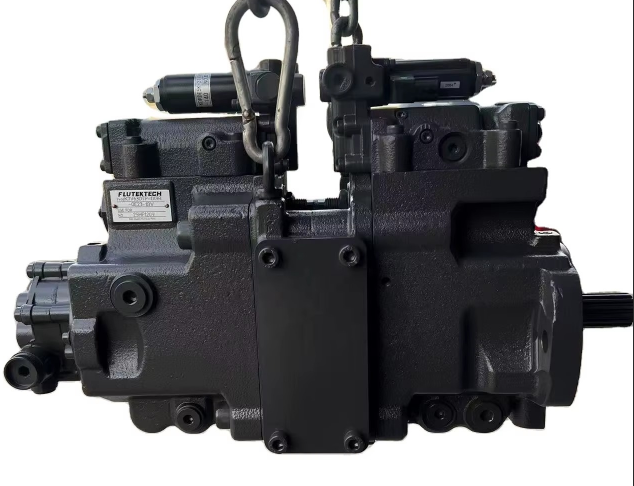
K5V hydraulic pump series
Upgraded from the K3V platform. It delivers higher power density, improved rated pressure and faster response performance.
Common models: K5V80, K5V140, K5V160, K5V200, K5V212
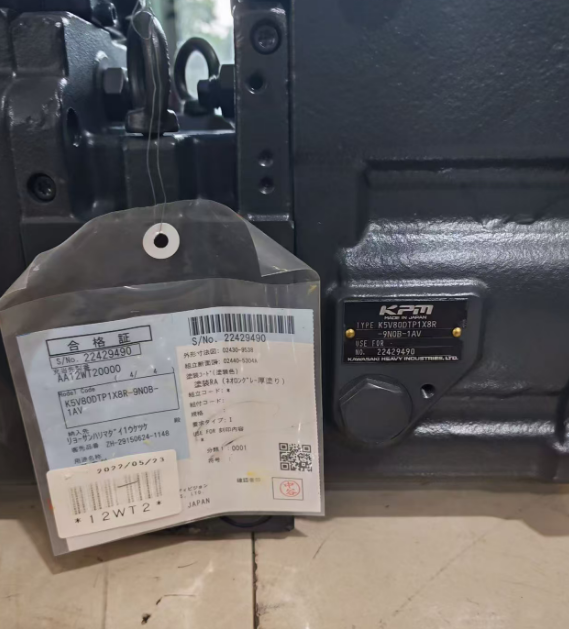
K3V hydraulic pump series
The classic mature generation, widely adopted on early and medium-sized excavators, known for outstanding reliability.
Common models:
K3V63, K3V63DT, K3V63BDT, K3V112, K3V112DT, K3V112BDT, K3V112DTP, K3V140, K3V140DT, K3V140BDT, K3V180, K3V180DT, K3V180BDT, K3V280, K3V280BDT
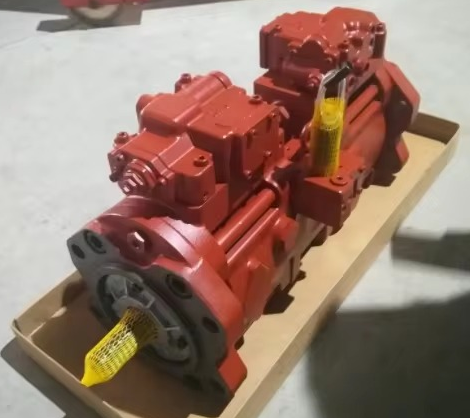
K7V vs. K3V vs. K5V Hydraulic Pumps: Key Differences
This K7V vs K5V vs K3V Hydraulic Pumps comparison highlights the main differences in power density, efficiency, noise, size, and service life.
| Feature / Parameter | K3V Series – Proven Classic | K5V Series – High-Power Upgrade | K7V Series – Next-Generation Design |
|---|---|---|---|
| Design Positioning | A well-established industry standard with mature and proven technology | Upgraded for higher power density and improved high-pressure performance | Next-generation high-efficiency, energy-saving design developed for modern hydraulic systems |
| Power Density | Baseline level | Moderately higher than K3V | Up to 1.5× higher than K3V |
| Overall Pump Efficiency | Standard efficiency | Slightly improved | Approx. 1.5 percentage points higher, helping reduce internal leakage and friction losses |
| Noise & Vibration | Typical construction-equipment operating noise | Slight improvement | Significantly reduced through increased housing rigidity and improved pressure pulsation control |
| Size & Packaging | Standard overall dimensions | Similar in size to K3V | More compact design with reduced overall length, making installation easier in limited machine space |
| Bearings & Service Life | Standard load-capacity bearings | Reinforced bearing design | High-capacity bearings and an optimized drive-shaft design help reduce edge loading and improve long-term durability |
The K7V, K5V, and K3V series represent different generations of high-performance axial piston pumps. While the K3V series is widely recognized for its proven reliability, the K5V series improves power density and high-pressure performance. The newer K7V series takes another step forward with higher efficiency, a more compact design, lower noise, and improved durability.
Quick Comparison
In general, the three generations can be understood as:
- K3V: Proven technology, broad application, and mature reliability
- K5V: Higher power density and improved high-pressure performance
- K7V: Higher efficiency, greater power density, lower noise, more compact packaging, and improved durability
What Do The Digits Mean in Model Codes?
Take K3V112 as an example: The number represents the nominal displacement of the pump, unit: cm³/rev (cc/rev).
- K3V63 ≈ 63 cc/rev
- K3V140 ≈ 140 cc/rev
- K5V200 ≈ 200 cc/rev
Important note: A larger displacement number does not equal higher working pressure. Pressure rating, flow output, engine power matching and regulator settings need separate confirmation.
Decoding Letters: D / DT & Full Suffix Codes
Example: K3V112DT Breakdown: K3V | 112 | D | T
- K3V: Series code
- 112: Displacement grade (single piston group nominal displacement: 112 cc/rev)
- D: Twin pump structure
- T: Tandem connection form
Example: K3V112DT-1XER-9N24
1XER
- 1: Control type & shaft rotation direction. It defines control logic: negative flow control, positive flow control, electronic power shift and other control modes.
- X: Modification or special application code
- E: Auxiliary valve configuration (solenoid valve, proportional relief valve etc.)
- R / L: Input shaft rotation direction. R = Clockwise; L = Counter-clockwise
9N24
- 9: Normally indicates the specification of the rear series gear pilot pump
- N24: Defines port layout, flange standard, spline quantity and spline shaft dimensions
Different OEMs (Sany, XCMG, Liugong, Kobelco, Volvo etc.) use different suffix configurations to suit their piping layout and installation space.
Key takeaway: K3V1112DT is only a base model, NOT the full part number. Two pumps with the same base model may have incompatible internal control parts and interfaces, even if they look identical externally. They cannot be directly interchanged.
Key takeaway:K3V112DT is only a base model, NOT the full part number. Two pumps with the same base model may have incompatible internal control parts and interfaces, even if they look identical externally. They cannot be directly interchanged.
Core Features of Kawasaki Construction Hydraulic Pumps
- Half-round swashplate design
Supports high rated pressure and high power density, making the pump lighter and more compact. The tandem twin pump design removes the need for a power distributor, boosting transmission efficiency while cutting weight. - High efficiency & good self-priming performance
Spherical valve plate plus optimized hydraulic balance structure keep the cylinder block running smoothly, maintaining high efficiency even under low pressure and low speed conditions. - Long service life
Heavy-duty main bearings and piston return mechanism compensate for shoe wear to extend service life. - Low noise operation
Optimized valve plate geometry and high-rigidity pump housing reduce working noise. - Multiple control options
Compatible with mechanical, hydraulic and electronic signal control modes.
How to Identify the Correct Kawasaki Hydraulic Pump
The most reliable way is to read the full nameplate stamped on the pump housing.
If the nameplate text is worn and illegible, take multiple clear photos from different angles for verification.
Difference Between Construction Machinery & Industrial Series Pumps
Besides K3V / K5V / K7V (construction machinery version), Kawasaki has other dedicated pump ranges:
- K7VG Series: For stationary industrial equipment, such as steel mill machinery and large forging presses. K7V is built exclusively for mobile construction machines.
- K3VL / K3VLS Series: Mostly single pump open-loop design, widely used on cranes and medium-load industrial hydraulic systems. K7V pumps are usually tandem/parallel twin pumps, designed for heavy-duty excavator main hydraulic systems requiring split and combined flow control.
Conclusion
When comparing K7V vs K5V vs K3V Hydraulic Pumps, the right choice depends on the machine model, displacement, regulator configuration, mounting dimensions, and operating requirements.
In the K7V vs K5V vs K3V Hydraulic Pumps comparison, the K7V stands out for its higher power density, improved efficiency, compact design, and lower operating noise.
FAQ
How to decipher Kawasaki hydraulic pump model numbers?
You can start by noting: series code + displacement class + pump structure + complete configuration suffix.
What is the K7V、K5V、K3V series hydraulic pumps hydraulic pump used for?
It is mainly used as a main hydraulic pump for excavators and heavy-duty mobile hydraulic machinery.
What makes the K7V series different?
The K7V series stands out for its higher power density, improved efficiency, compact design, lower noise and vibration, and enhanced durability compared with the earlier K3V and K5V series. Its optimized internal structure helps reduce mechanical friction, internal leakage, and pressure pulsation while delivering strong hydraulic performance from a smaller package. The K7V also uses higher-capacity bearings and an improved shaft and rotating-group design, helping reduce uneven internal loads and support longer service life in demanding excavator and heavy-equipment applications.
For equipment owners and repair professionals, however, a newer pump series does not automatically mean it can directly replace an older K3V or K5V pump. Displacement, mounting dimensions, shaft specifications, regulator configuration, pilot control, port layout, and machine application should always be checked before selecting a replacement pump.
How can I confirm the correct hydraulic pump model?
Please provide:
- Complete pump model number
- Machine brand and model
- Hydraulic pump nameplate photo
- Equipment serial number
- Existing pump photos


